Super Awesome Ways to Show Up and Offer Help to someone recently diagnosed or undergoing conventional treatment for cancer- one perspective
What NOT to do:
“Let me know if you need anything!”
The impulse to say this in most cases is sincere and kind. It’s our human instinct to want to help. Some people might find this helpful and love hearing this. However…
This in my experience was completely unhelpful and even stressful. It puts all the energy on the cancer patient to decipher if you really mean it, how much can they ask for, and what of their long list of things needed would be best to ask for? Also, “need” means different things to different people Someone might be able to do things on their own while help will make a huge difference, it might not feel like an actual need.
There was SO MUCH I needed, it was overwhelming.
Consider the relationship. It could be OK for a family member to say this especially when not many words are needed and energy flows, the person knows what they can ask and it’s not burdening them to think of what to ask you for.
A better question might be, “I’d like to help and have some time this week. What could I take off your plate?” but even that can be overwhelming and the person is now focusing on their long list of things and not sure which one to pick, and possibly feeling shame or other feelings that there is so much. They may not be ready to even realize they would benefit from help.
If you are offering help you might actually have something in mind. Like, walking their dog, taking the kids to school or having them come over during infusions, or cooking or giving them a ride. But you might not feel comfortable scrubbing their toilet or taking their mother to lunch. Be specific about what you would love to offer, this avoids uncomfortable situations on both sides.
If you want to help and don’t know what to offer, say that. But then give some help regarding what kinds of things are up your alley and within your budget of time, money and energy to provide.
If you don’t have the bandwidth to offer help but feel you should, just say that. It can be enough to just be kind. Most people have a full plate.
The idea is to take the energy onto your plate and off theirs.
Realize that they may be drowning in information, appointments and demands on their time and mental, physical, emotional capacities. They may have chemo brain which is a real thing, they may be exhausted and have very few reserves to even have a conversation or answer your questions.
Note-asking them a lot of questions can be exhausting. Consider: you are asking them to give you energy, to respond to something you want to know or something that in a normal daily life would be easy for them to give but now isn’t. They may still really want to please, to give, to be engaged, and it might be hard for them to even recognize they are getting drained until it’s too late. It’s so hard to explain this if you haven’t experienced it yourself. Be mindful and track how your conversation is landing for them if you can.
TIPS:
Ideally, clarify specifically what you can offer.
How much are you actually able to give?
Be honest with yourself. Do you want to help, or are you just saying that to be nice?
What skills do you have that might be useful, what do you like to do?
What do you have time for?
Don’t expect someone to figure out what you can do and if you really mean it. Be specific. They may spend vital energy trying to discern what to ask for. Just make it easy for them.
Can you clean, food shop from a store they use, do they need to be eating all organic food, for example? Can you offer to cook from a cookbook they are working from during their treatment, or recipes their doctor provided that will be good for their treatment protocol? Don’t assume that your favorite lasagna is OK for them to eat or that their appetite will respond favorably during treatment to things you enjoy. And don’t bring them sugary things or alcohol unless you know that is something they are choosing to eat.
Are you great at research? Great with money? Are there grants or applications you can help find or apply for? Do they need help understanding insurance options or submitting claims?
Don’t compromise their immune system. If you’ve been traveling, assure them that you have taken a covid test, that you will wear a mask, that you will wait 10 days before seeing them and take another test if that helps them feel safe. Ask what is OK for them, do not assume. Do they prefer texts or calls? In person visits? These little things may make a difference to them in terms of what is supportive and what is draining.
Awesome ways of offering help and showing up
It’s remarkable to me to experience how some people show up in a way that they truly get it.
How do they know exactly what to say, what to offer, how to be helpful?
Some people really do!
Specific, focused, clear and genuine offers are awesome. Things that elicit a clear yes or no, simple for chemo brain style cognition. Some examples from my hero angel neighbors:
I am making soup for my family tonight. Here are the ingredients: (list ingredients). May I bring you some?
Do you need rides to your appointments? Do you need someone to come to appointments with you? Let me get my calendar and I will put those appointments in my calendar.
What are you overwhelmed by? What’s on your to do list right now? (I list things including vacuuming and dishes). You do not need to do the dishes or the vacuuming I’m going to come over and do that for you, when is a good time? I want you to think of one more thing you are thinking you have to do that actually you do not and I will do that for you while I am there.
I am available to walk and feed your dog while you are at infusions.
I am going to the supermarket at noon today (name which one). Can I bring you anything? Would you like to come with me? (if yes to bring something to them, be sure to ask if the brand matters, get specifics. they may just want crackers, but they might need almond crackers or saltines, don’t assume your fave will work for them. This is because of appetite, nausea and changes in the mouth as well as ingredient needs and restrictions—e.g., organic, gluten free, with or without salt, no sugar, etc).
Other things—all very specific and generously given without strings:
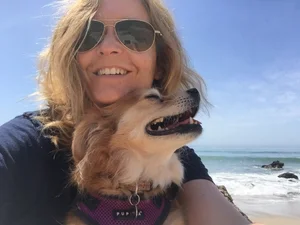
Being available to walk around the block with Mango and me after infusions in case I fell or fainted. Or simply to walk Mango because it was too much for me.
Knowing that I could text for help if I got into trouble, or they could do a pharmacy run for me.
Helping me do some moving in tasks like setting up a ramp for Mango and a gate so she could be on the back deck with me and I didn’t have to worry she’d get away. Putting locks on my windows so I could open them for air at night. Helping me with move-in tasks like moving boxes around so I could at least set up a functional space in time for treatment. And moving my bed to a new spot in anticipation of surgery and my ability to get in and out of bed (or not) on a specific side.
Recommending products they used during chemo! This was a godsend. Send links, make it easy.
Grocery runs! Taking me to the store when I couldn’t drive so I could choose groceries.
Long distance folks provided gift cards for nearby grocery store or cafe that had food I could eat, after asking me what I would enjoy and what would be helpful.
Remember, they may not be able to work and suddenly are inundated with bills. Gas cards, food help, practical support goes a long way.
A friend who always had the right thing to say at the right time. Checking in so harmonized, at perfect times. Sharing bits of her life and what she’s dealing with, and asking me how I’m doing, wanting to know about the procedures and appointments, and how things are going. She beautifully reached out just the right amount, made it clear what might be the right amount for her, set clear boundaries and expectations that were simple and clear like “I’m going to work and be unavailable from this date to this date” or “I’ll be traveling for a week and will check in when I’m back.”
And OMGoddess my hair person who took me in and fit me in and shaved my head when my hair fell out even after using the Paxman cold cap, and who continues to help me navigate the hair loss and now hair re-growth process. ANGEL.